


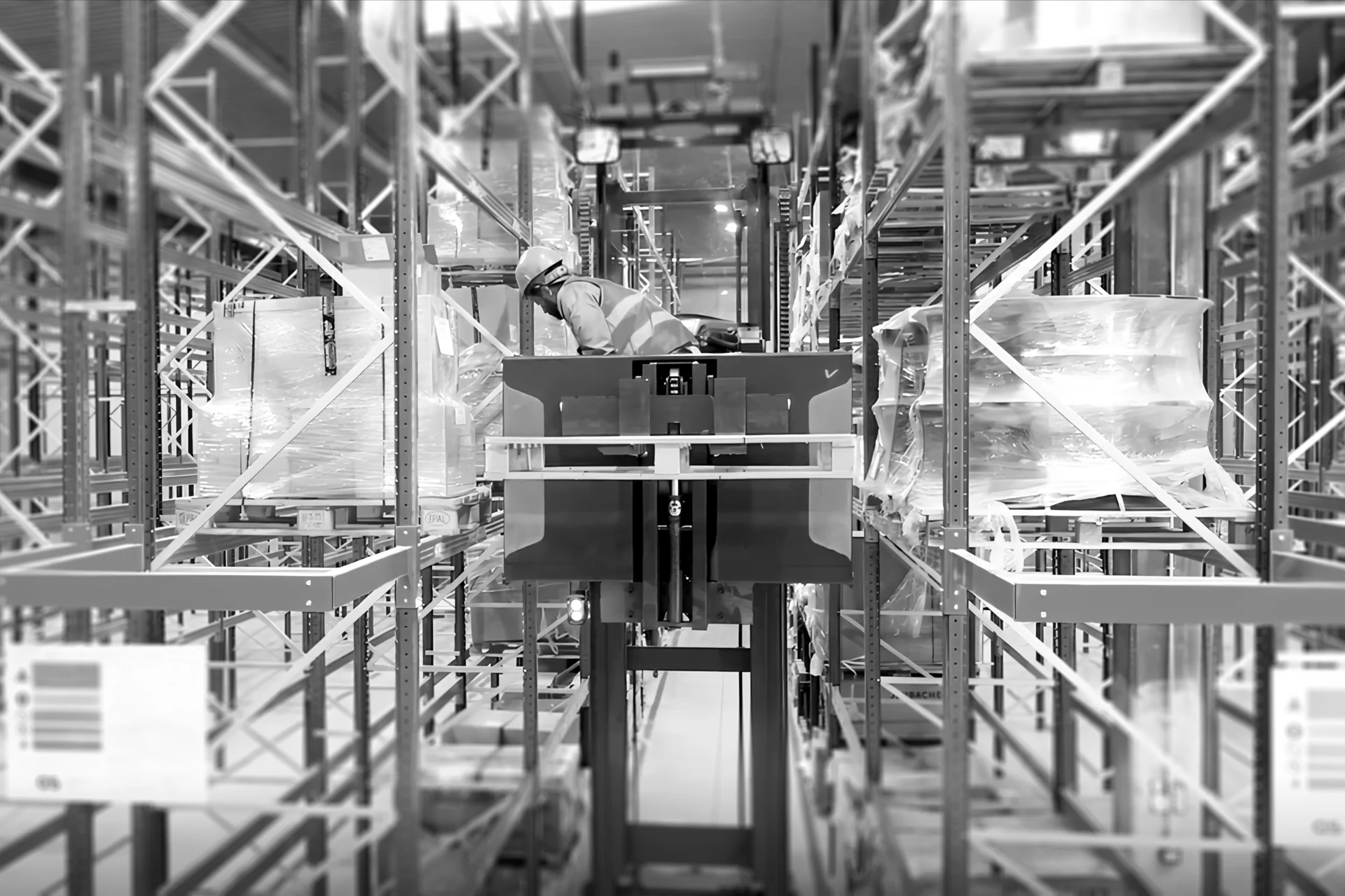
In the constantly evolving world of logistics and warehouse management, efficiency is the key to success. This explains the growing adoption of automated storage systems and automated order fulfillment in warehouses, solutions that represent a major step forward in optimizing warehouse operations.
These technologies not only improve inventory accuracy and processing speed, but also enable companies to respond more flexibly to market challenges. In this context, WMS solutions naturally play a crucial role, acting as the true “brains of operations” that transform warehouse equipment from simple tools into strategic allies. To explore the most widely used automated storage and order fulfillment systems, we interviewed Giuliano Fiorotto, Product Owner at Stesi, who explained how Stesi’s WMS solution, silwa, has helped several customers achieve maximum warehouse efficiency.
Warehouses and automated storage: what automated storage systems are and which ones exist
Automated storage systems differ from manual systems in that they rely on robotics to perform logistics operations.
These solutions revolutionize inventory management by reducing the time needed to locate goods and improving storage capacity through optimal use of available warehouse space. Among the most common solutions, Giuliano Fiorotto focused on three in particular:
- Automated warehouses: they use advanced technologies such as mobile robots, automated conveyors, and robotic palletizing systems to transport and store goods. These systems significantly reduce the risk of human error and optimize vertical space, maximizing storage capacity as well as overall warehouse performance.
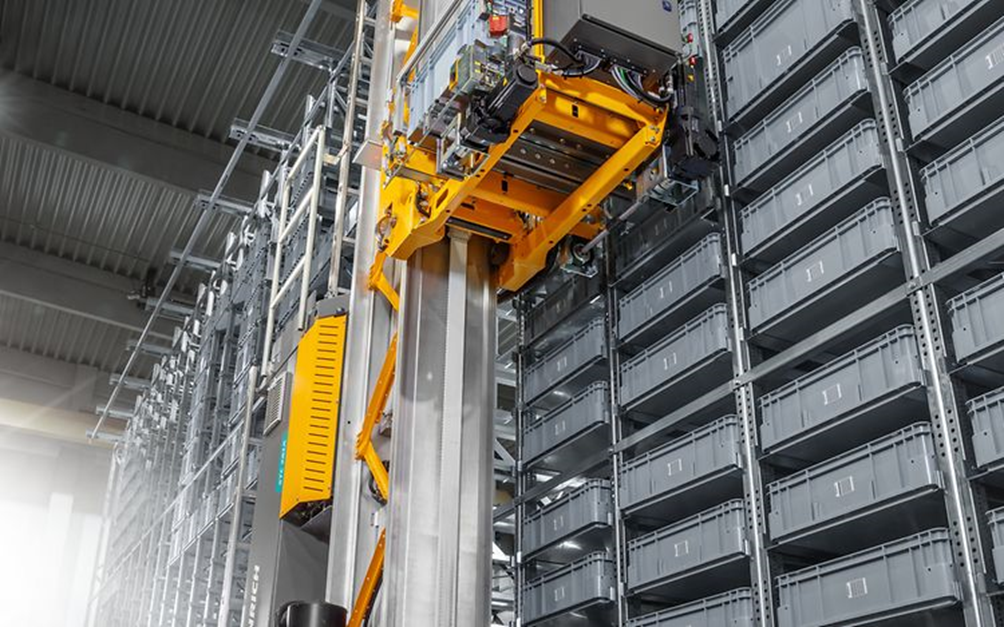
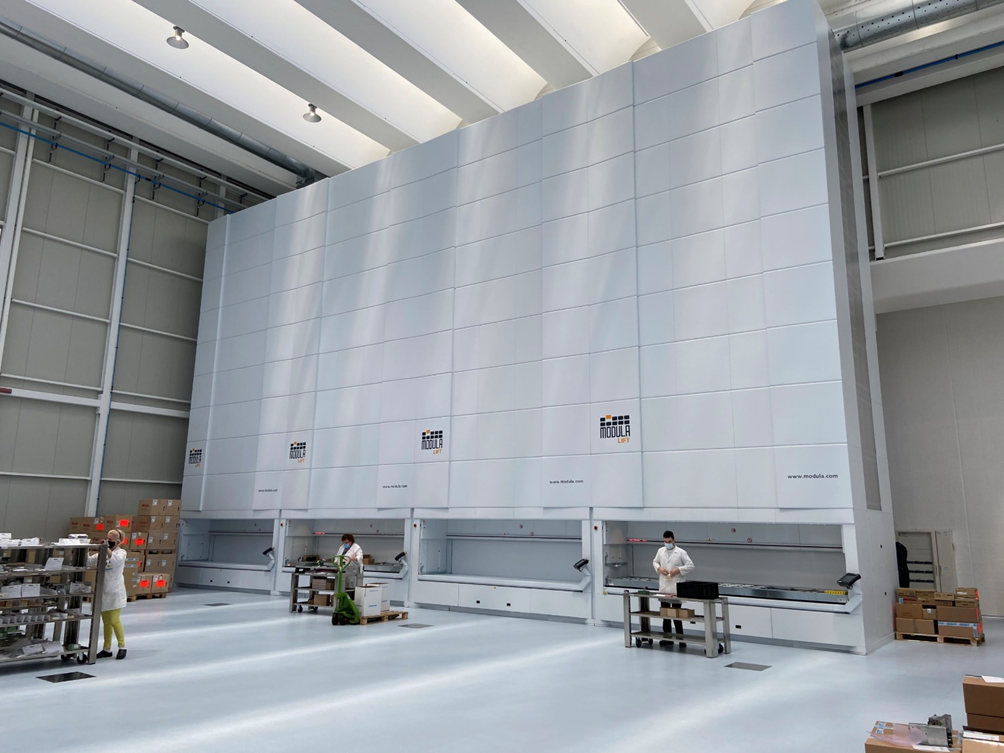
- Carousels or Vertical Storage Systems: ideal for small items, these solutions streamline the picking process for operators. The systems rotate vertically to bring items directly to the operator without excessive movement. This results in faster picking times and greater inventory accuracy.
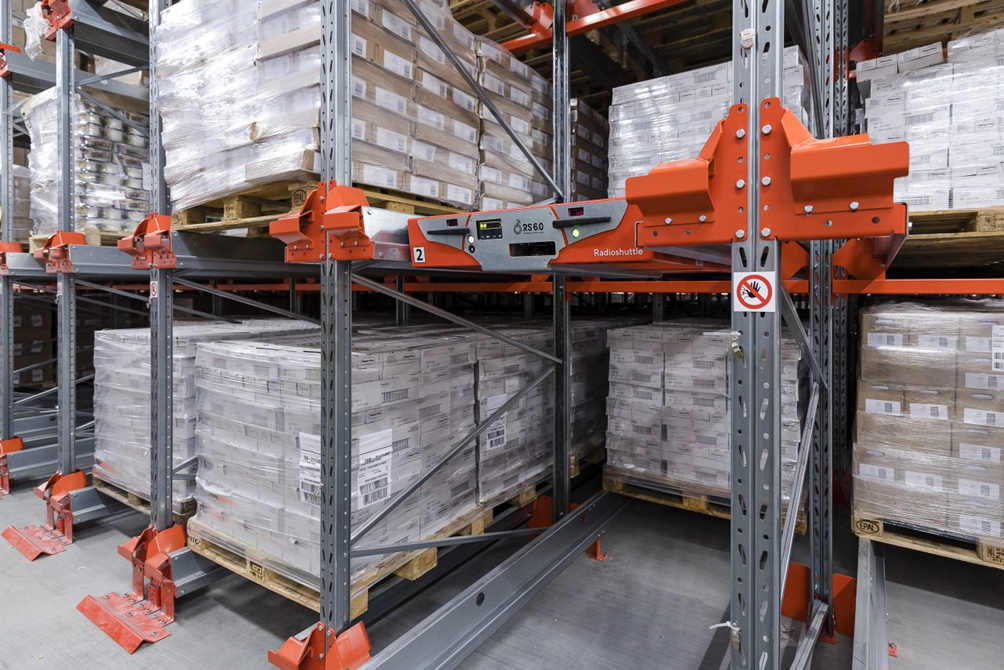
- Robotic shuttles: these are autonomous vehicles that move products along warehouse shelves, accessing even the so-called “channels” to reach the full depth of racking. These automated storage systems reduce access times, increase picking speed, and enable more efficient use of storage space.
The evolution of automated storage systems: where we started and where we are heading
Many of the tools and operations that characterize today’s warehouses would have seemed like pure science fiction just a few decades ago. Is the same true for automated storage systems?
“Over the last 10 years,” Giuliano Fiorotto explains, “automated storage systems have evolved from niche solutions to central components of warehouse management strategies.” This evolution has been driven by technologies such as Artificial Intelligence (AI), the Internet of Things (IoT), and machine learning, which together have significantly enhanced the effectiveness and flexibility of automated storage systems.
In short, modern technologies enable the creation of fully integrated ecosystems in which machines can be guided, managed, and monitored through WMS software such as silwa. This is no small change, considering that WMS solutions provide operators with a unified and optimized way to interact with different systems and streamline individual operations.
And what are the medium-term prospects?
“The future of automated storage and order fulfillment systems promises clear innovations and improvements,” particularly in key areas such as:
- Data-driven predictive systems: data analysis will remain essential in warehouse management. Predictive systems based on historical and real-time data, enabled by IoT, will allow companies to anticipate demand, reduce waste, and respond more quickly to market changes.
- Blockchain implementation: blockchain could play a major role in inventory management and goods traceability. Its adoption could ensure greater transparency and security in supply chain transactions. A clear example is the food industry, where blockchain-based traceability would guarantee data reliability.
- Development of autonomous robotics: autonomous robotics will continue to evolve, with automated vehicles (such as AGVs) becoming increasingly intelligent and capable of adapting to complex operational scenarios. These advances will lead to fully autonomous warehouses, where robots independently manage daily operations. A dream? Not really, considering that some Stesi customers have already implemented similar solutions.
The silwaSUITE and the management of automated warehouses
silwa’s approach to automated warehouse management is characterized by a high degree of flexibility. The advanced features of Stesi’s WMS help optimize operational control and accuracy by addressing key aspects such as:
- Flexible warehouse mapping: silwa allows maximum flexibility in warehouse mapping, enabling management of a single location (known as a black box) containing stock, or alternatively a detailed mapping of each drawer. This adaptability supports customized storage management based on specific business requirements.
- Multi-level interfacing: silwa can interface with warehouse equipment at different levels. The WMS can send commands directly to PLCs for fine-grained control or use the supplier’s high-level software interface for simplified management. “This versatility,” adds Giuliano Fiorotto, “ensures precise adaptation to operational control needs.”
- Detailed drawer management: silwa manages the subdivision of vertical warehouse drawers into compartments and allows configuration of parameters such as maximum weight, item associations, lot, commercial category, and product category. This level of detail enables accurate goods handling and optimized storage space utilization.
- Picking optimization: silwa manages picking by sending integrated pick lists that guide operators step by step during picking activities, improving overall process efficiency. The suite also optimizes drawer extraction by grouping picks by item and managing sorting (e.g., Pick-to-Light), significantly reducing operating times.
- Simplification of inbound and outbound operations: silwa streamlines inbound processes by automatically generating transport missions to vertical warehouses. Knowledge of stock levels and item associations allows silwa to prepare equipment for storage without additional operator input, creating an integrated flow that maximizes overall system efficiency.
- Simplification of manual picking and put-away: as an integrated solution, silwa ensures accurate stock updates during manual picking and put-away operations, maintaining consistent and reliable inventory data.
- A transparent layer between WMS and machines: silwa provides a transparent layer that consolidates interactions between operators and machines into a single control point. Operators only need to interface with the central silwa software to manage all warehouse tools transparently and directly.
So, what drives silwa’s success? “For some time now, the silwaSUITE has stood out in the market for its ability to adapt to specific user requirements, simplifying operations and improving overall efficiency in automated warehouses. Flexibility, detailed management, and advanced integration make silwa a state-of-the-art solution in the field of automated storage and order fulfillment systems.” concludes Giuliano Fiorotto.
Want to learn more about this topic? Watch this excerpt from our Talking Supply Chain vodcast: Giuliano Fiorotto discusses the practical benefits of different storage systems:
From theory to practice: how Stesi customers use automated storage and order fulfillment systems
Before concluding, we asked Giuliano to share some real-world use cases of silwa, highlighting the challenges the suite can solve and the benefits it delivers. Today, silwa is used in warehouses of different sizes and industries, demonstrating its flexibility and adaptability.
If we were to associate one key benefit with each customer:
BRN – Space optimization and fast picking
BRN, with 14 vertical warehouses interfaced with silwa via database, needed to optimize space and maximize picking speed for small items. silwa enabled automatic generation and launch of pick lists directly from the workstation panel. These order-based lists improved operational efficiency. Integration between silwa and the vertical warehouse ensured automatic coordination of operations, from goods retrieval to the packing route, optimizing the entire process.
Mondialforni – Space optimization with a vertical warehouse
Mondialforni implemented a vertical warehouse interfaced with silwa via database to optimize space for small items. The suite simplified list generation from shipping and production panels, facilitating order picking. This integration enabled more efficient space management and better picking organization.
Gastrodomus – Space optimization with a vertical warehouse and direct PLC interface
Gastrodomus adopted a vertical warehouse directly interfaced with silwa through the warehouse PLC using TCP-IP protocol. The goal was to optimize space for small items without generating separate picking lists. silwa enabled direct integration, displaying specific buttons during picking to call up the drawer containing the required item. This streamlined the picking process and improved operational efficiency.
Kasanova – EAB shuttle integration via silwa
Kasanova implemented six EAB shuttles directly interfaced with silwa via TCP-IP protocol. This integration enabled automatic command transmission through the FGS (Forklift Guidance System), allowing shuttles to move ahead of operators. During picking and storage, silwa dynamically coordinated shuttle movements, optimizing operational flow and reducing pallet handling times.
In each of these cases, silwa addressed specific challenges and delivered significant benefits by improving efficiency, optimizing space, and simplifying daily operations in automated warehouses. The advanced integration and flexibility of the silwaSUITE have proven to be key success factors in adapting to customers’ unique requirements.
Would you like to learn more? Contact us.
