

In recent years, the integration between IT (Information Technology) and OT (Operational Technology) has become a recurring topic for many managers, both in the information technology and manufacturing domains. Yet despite being discussed for some time, the convergence between these two areas often remains confined to the purely technological level, while the true potential of this union remains largely unexpressed.
IT and OT are like two sides of the same coin: one deals with data management, the other with the control of physical processes. For a long time, these technologies traveled on parallel tracks, separated in their respective functions, but as business requirements evolved rapidly it became clear that greater integration could unlock new opportunities. Some companies have already begun to discover the advantages of bringing these two worlds together, from cost savings through to improvements in security.
To explore this topic in depth and understand how companies can best face this challenge, we interviewed Simone Trentin, Product Owner at Stesi, who offered his perspective on how IT and OT can collaborate to deliver tangible results, well beyond simple technological integration.
What is IT, or Information Technology?
IT, short for Information Technology, refers to the set of technologies, infrastructures, and processes required for the management and processing of business data. As Simone explains, “IT is not just about maintaining software and hardware. It includes the continuous development of IT infrastructures, which today are fundamental to the growth of any company.”
A central aspect of IT is ensuring data quality and integrity, as well as facilitating its transfer and processing. In short, IT systems are primarily deployed to solve business problems, making internal processes faster and improving communication. Classic ERP systems are a prime example: they help companies optimize resources such as personnel, equipment, and finances, improving overall efficiency.
From a physical standpoint, IT infrastructure includes servers, storage devices, network equipment, and end-user devices.
What is OT, or Operational Technology?
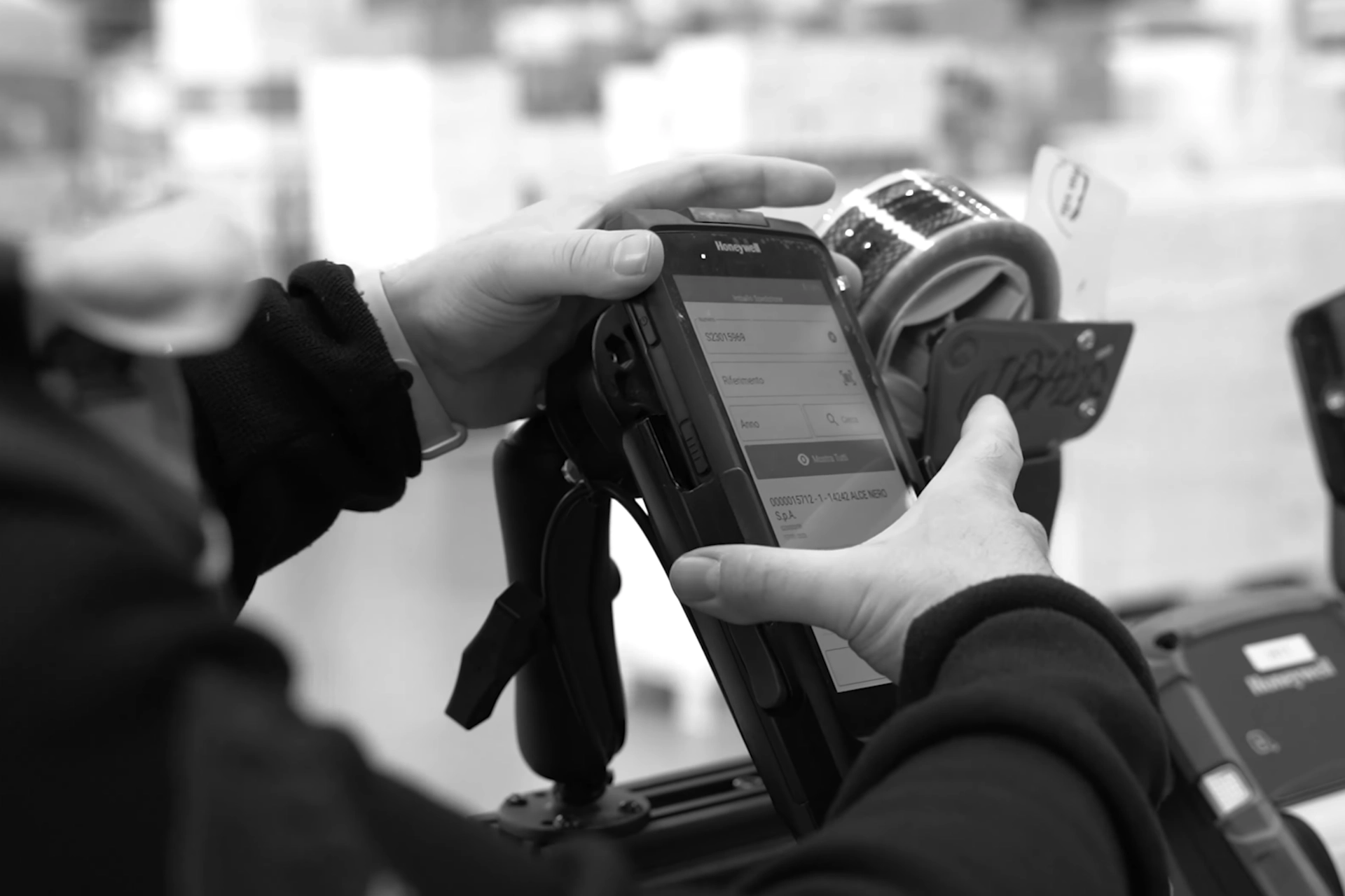
OT, short for Operational Technology, refers to the set of hardware and software used to manage and control physical devices within an industrial context. “To simplify,” explains Simone, “we can say that OT is concerned with supervising industrial processes, addressing critical issues, and promoting the development of infrastructures related to production, transportation, and automation.”
Unlike IT, which focuses on data, OT is built around the use of devices and software to directly monitor and control physical processes.
Operational technology has a long history, but it acquired its own distinct identity with the advent of industrial automation and the need to network various machines to improve process control. “In fact,” Simone recalls, “thanks to advances in machine-to-machine communication and machine learning, OT today makes it possible not only to monitor devices but also to analyze data in real time, facilitating preventive maintenance and improving uptime.” This is why today, when we speak of OT, we are referring to a complex network of devices and software that form the core of industrial control systems, production environments, and automated processes.
The evolution of IT and OT
In the past, IT and OT departments operated independently, with little interaction between them. Their respective areas of expertise were considered distinct, and as a result their operational domains rarely overlapped. Over the last decade, however, the situation has changed radically. “The digital era, the advent of new technologies, and the evolution of hardware have progressively brought these two competencies closer together,” explains Simone.
Industry 4.0 has certainly played a decisive role in this transformation, further accelerating the integration process. “Today, modern industrial devices,” Simone continues, “when connected to a corporate network, are capable of communicating directly with IT systems, exchanging valuable data to optimize and accelerate production processes.” This means these are no longer separate departments, but two sides of the same coin, working together toward shared objectives.
The cohesion between IT and OT has become a key element in the success of any industrial project. Both departments contribute their specific expertise, creating a synergy that improves efficiency, productivity, and safety. “The integration of these two areas is no longer an option, but a necessity for remaining competitive in today’s market,” concludes Simone.
The advantages of IT and OT convergence
The convergence between IT and OT offers numerous advantages that go well beyond simple technological integration. One of the primary benefits is the ability to obtain real-time monitoring data, which makes it possible to track the status of devices, identify errors, and evaluate performance, enabling timely interventions to address critical issues. As Simone explains, “This ability to detect problems in real time reduces downtime and improves productivity, which is a fundamental aspect in any industrial sector.”
Another advantage is data collection and analysis, which allows companies to identify areas for improvement in production processes. “In-depth data analysis,” Simone states, “enables us to optimize performance and quality, improving production output and reducing waste.” Furthermore, the automation of hardware devices reduces dependence on human intervention. The use of AGVs (Automated Guided Vehicles), which operate autonomously, is one example of how operational efficiency can be improved in this way.
“By unifying networks and managing OT within a secure subnet,” explains Simone, “it is possible to reduce the amount of equipment required while also improving data sharing between departments.” The result is a more intelligent management of the entire supply chain and the implementation of practices such as just-in-time manufacturing. OT personnel, for example, can combine sales data coming from IT systems with production data to optimize output and respond more effectively to market demand. “With this integration,” Simone continues, “we can increase the production of the most in-demand products and reduce that of slower-moving ones, ensuring a more efficient use of resources.”
But there is more. IT-OT convergence also brings benefits in terms of connections with external organizations, through the use of remote connectivity and cloud-based networks. For modern IoT and industrial environments, external connectivity is in fact a must.
Some use cases of Stesi’s silwa WMS in the IT and OT domains
In recent years, Stesi and its silwa WMS system have undergone a genuine technological revolution. Collaborating with clients’ IT and OT departments has become increasingly crucial to ensuring the success of projects. As Simone points out, “Finding the right balance between IT and OT makes it possible to achieve significant advantages, both in terms of efficiency and process integration.” And naturally, silwa itself has had to evolve as a result, becoming a true instrument capable of unifying and managing the two technological souls of a business: IT and OT.
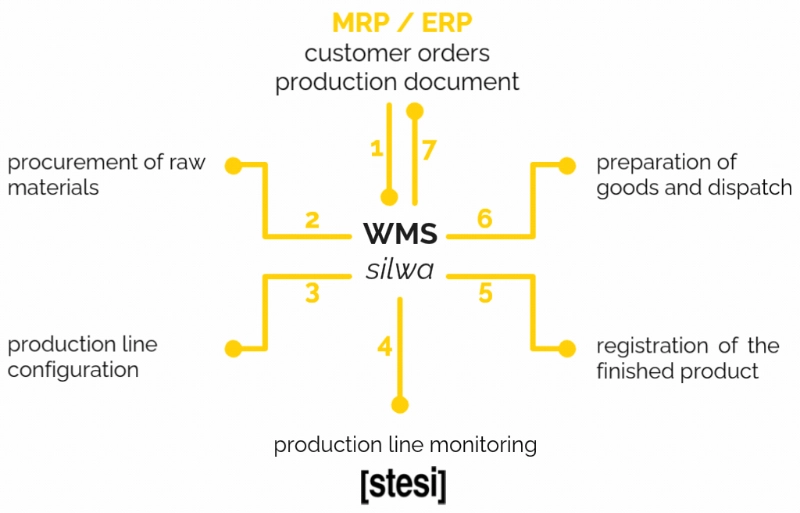
One example of this integration is the case of a long-standing Stesi client that decided to use silwa to coordinate warehouse processes (WMS) with production processes (OT), drawing on information from ERP and MES systems (IT). The data infrastructure designed for this company makes it possible to automate complex processes, unifying operations such as planning (ERP/MRP), raw material feeding (WMS), automatic line configuration (OT), production monitoring (MES), and finished product registration (WMS), through to the shipment of the final product to the end customer. “This integration,” explains Simone, “guarantees optimal management of resources and processes, reducing errors and increasing efficiency.”
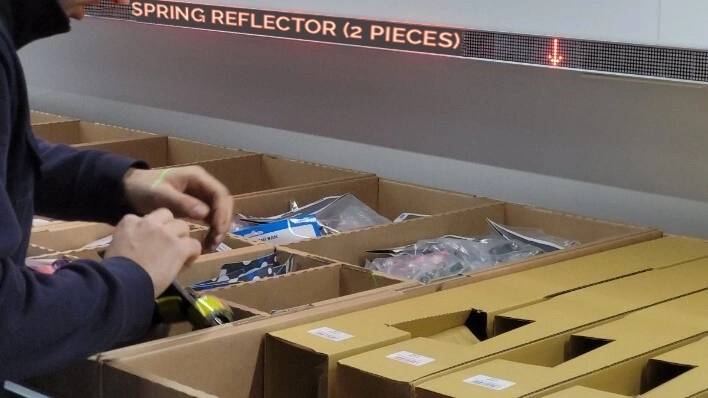
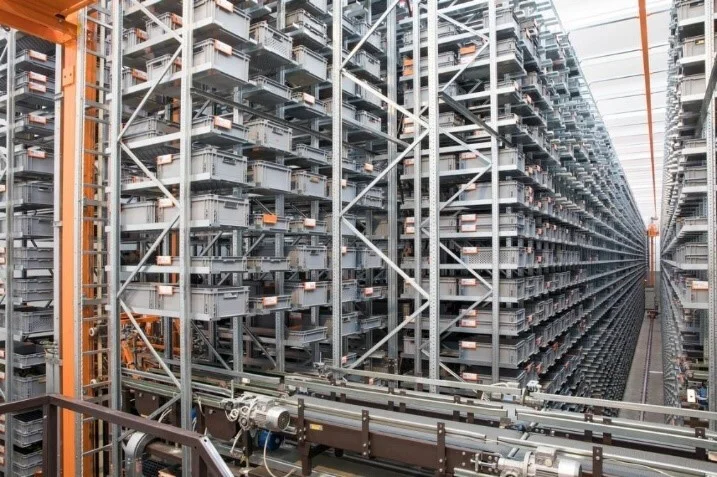
Similar processes have been implemented for companies such as Roberto Industrie (Morato Group), Samo, Linergy, BRN, Quadrifoglio, and Rigoni. In these cases, in addition to managing production processes, the silwa software is responsible for interfacing with automated storage devices such as vertical carousels, automated storage and retrieval systems (AS/RS), and pick-to-light and put-to-light devices. Thanks to this integration, operations that were once manual are now fully automated, enabling efficient management of order and production requirements.
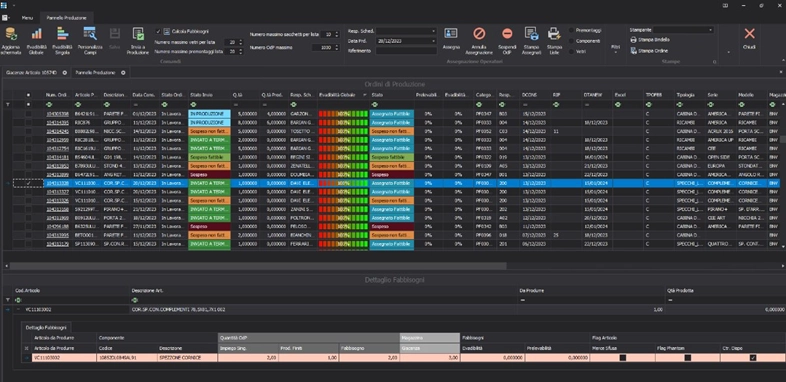
In all of these cases, silwa coordinates operational processes starting from the data managed by ERP and MRP systems, guaranteeing smooth communication between the different technologies involved. A solution that not only reduces error margins but also increases overall productivity, enabling companies to be more competitive in the market.
Conclusion
In today’s digital environment, the integration between IT and OT has become a key element in the success of any business. Working in synergy makes it possible to improve efficiency and productivity, optimizing processes and reducing errors. We have seen how this collaboration can transform operational flows, delivering tangible benefits such as cost reduction and improved market competitiveness.
To remain competitive and make the most of new technologies, connecting IT and OT is no longer simply an opportunity but a strategic necessity. Would you like to know how to integrate these areas to strengthen your business processes? Get in touch with us. The Stesi team is ready to help.
