


Roberto case study: logistics and production digitalization in the food industry
Roberto Industria Alimentare, a Morato Group company specializing in food manufacturing, launched a long-term supply chain digitalization program with Stesi to improve traceability, increase operational efficiency and integrate logistics and production processes within a single digital ecosystem.
The relationship between Stesi and Roberto Industria Alimentare goes far beyond a single project. It is a strategic partnership that began in the early 2000s and remains active today, focusing on the continuous digitalization of the company’s logistics and manufacturing operations. The collaboration initially started in the production environment, specifically with the digitalization of product traceability, before gradually expanding upstream to encompass the company’s entire end-to-end supply chain management.
In 2011, Roberto Industria Alimentare’s management team decided to implement a digital logistics system. The company’s growth and increasing efficiency requirements had made the previous process management approach, which relied almost entirely on Excel spreadsheets, inadequate for supporting new operational needs. As a trusted technology partner, Stesi implemented silwa WMS to redesign and optimize logistics workflows and product traceability, from raw materials to finished goods, while also enabling integration with large-scale retail distribution networks.
The solution: ERP, MES, WMS and automation integration
The project developed by Stesi resulted in a fully integrated ecosystem where ERP, MES, WMS and automated systems communicate in real time. The software infrastructure automatically coordinates:
- production planning
- raw material procurement
- production line replenishment
- material consumption tracking
- production progress monitoring
- finished goods registration
- warehouse storage and shipping operations
Thanks to this integration, data and material flows are automatically shared across all connected systems, reducing manual activities and minimizing operational errors.

End-to-end food traceability from raw materials to finished goods
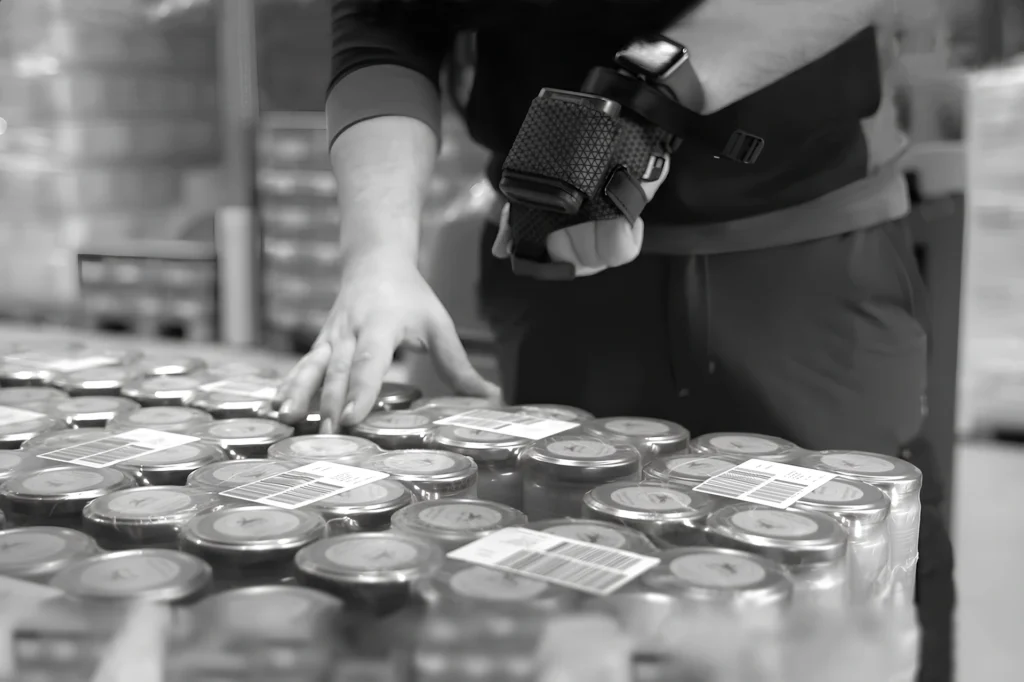
One of the most important aspects of the project is lot traceability, a critical requirement in the food industry where regulatory compliance, food safety and transparency are essential. Through the silwa Tracer module, Roberto Industria Alimentare can reconstruct the complete production history of any product at any time, identifying:
- raw materials used
- suppliers involved
- production lots utilized
- manufacturing stages completed
- final product destination
Production optimization through the MES system
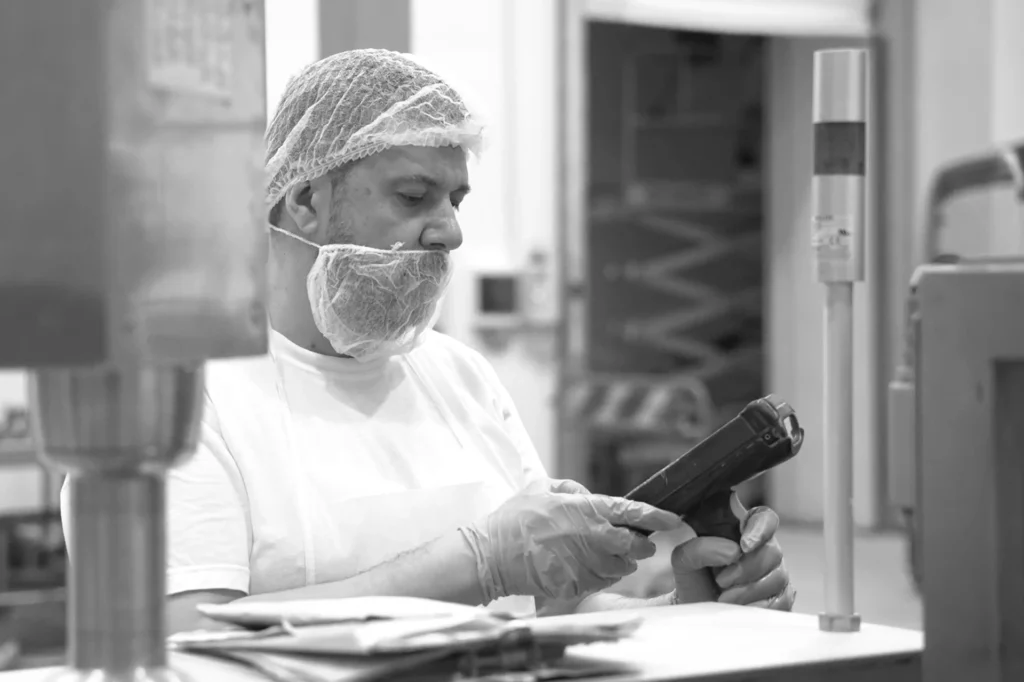
Stesi’s Manufacturing Execution System (MES) supports the management of a continuous production environment operating across three shifts. Production equipment is directly integrated with the MES platform to automate:
- production reporting
- raw material consumption collection
- processing time acquisition
- alarm and event logging
- production performance monitoring
MES dashboards also provide real-time visibility into production orders, work-in-progress status and operational KPIs.
Smart inventory management and recipe execution
Stesi’s MES software, integrated with the Warehouse Management System (WMS), coordinates the management of multiple material categories across Roberto Industria Alimentare’s operations, including:
- bulk inventory stored in tanks and silos
- dedicated loading units for micro-ingredients
- packaging materials
- semi-finished products
- finished goods
Production recipes are automatically configured based on the item being manufactured, while production line automation systems receive all the information required to execute operations correctly. At the same time, the system continuously updates inventory records and captures all traceability-related information.
As a result, Roberto Industria Alimentare has transitioned from discretionary, experience-based processes to a fully data-driven operating model, where every activity and piece of information can be monitored, managed and verified. Today, all logistics and production workflows rely on reliable data, are optimized through an advanced supervisory system and generate detailed reports that support continuous improvement initiatives. The immediate benefits included significant time savings, reduced operational effort, improved process visibility and greater efficiency across logistics and manufacturing operations. Beyond designing, integrating and implementing the technology solution, Stesi also supported Roberto Industria Alimentare in adapting the platform to existing business processes and organizational culture. The next challenge is to further increase efficiency and productivity through the full adoption of Industry 4.0 principles.